Werwulf
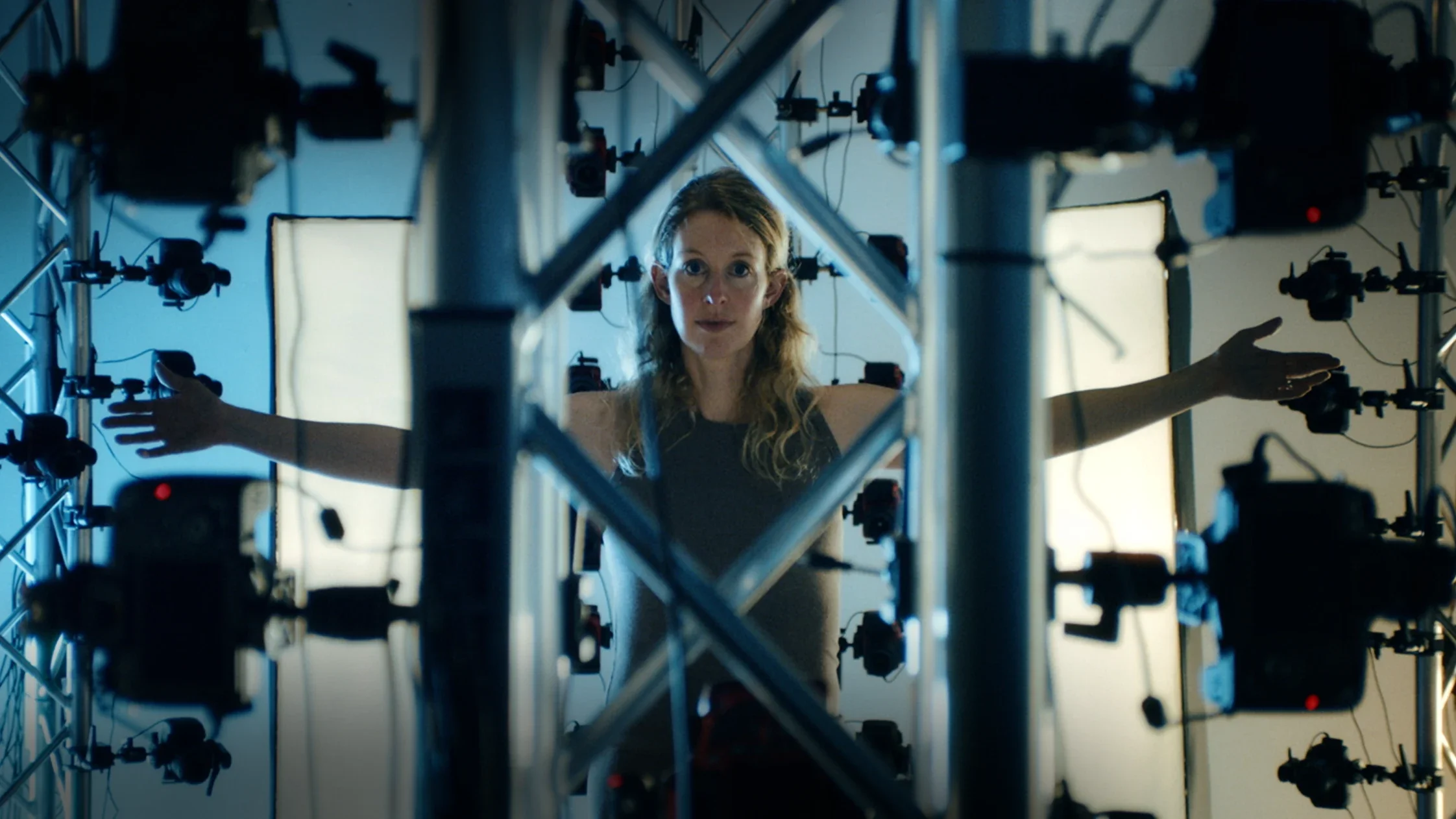
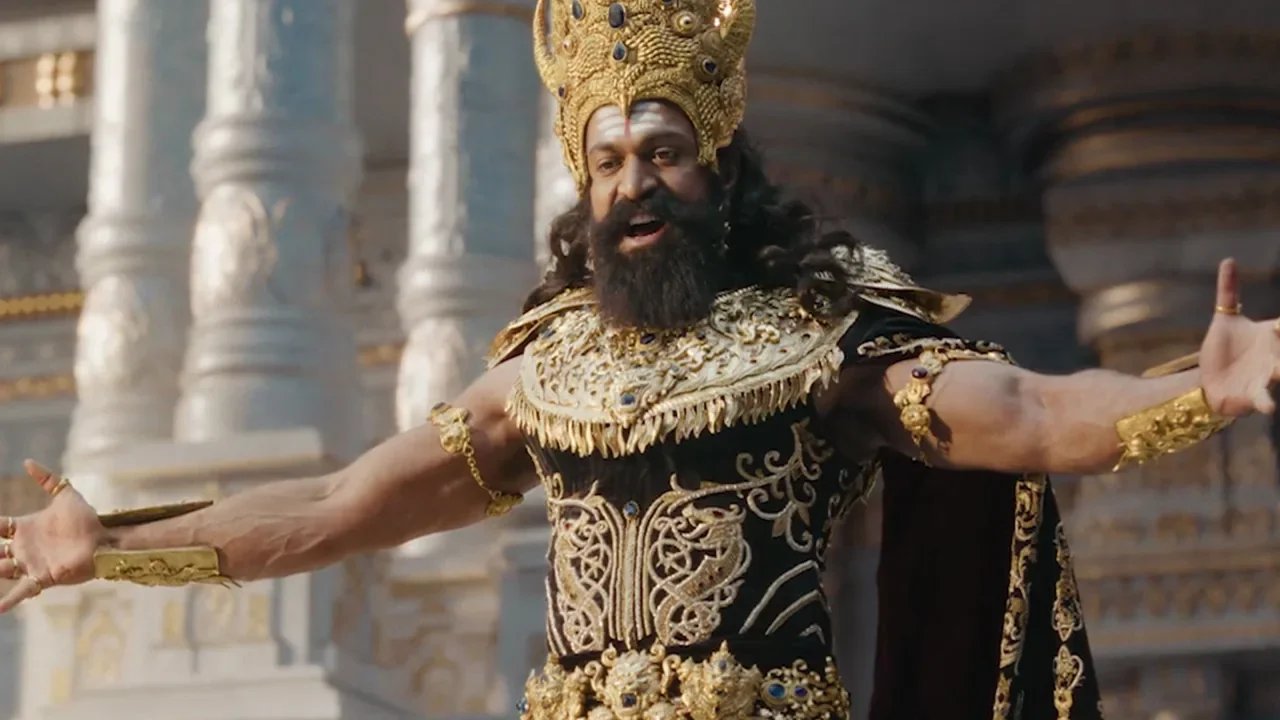
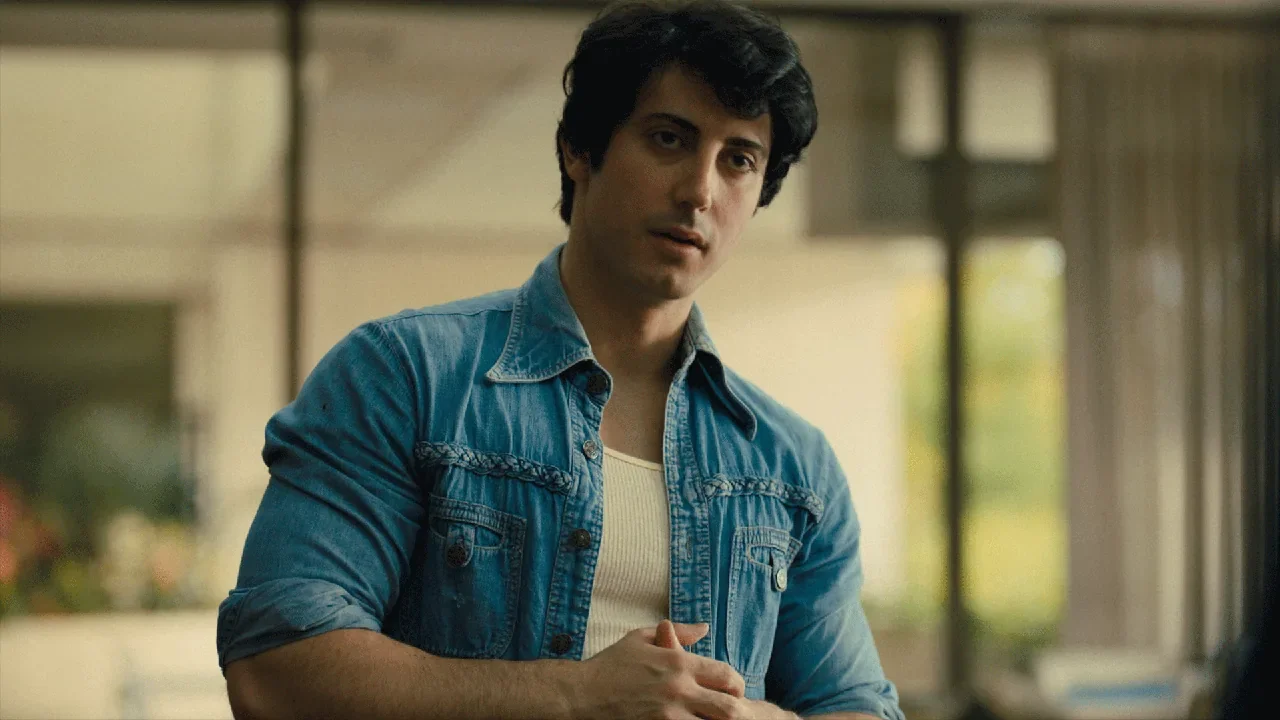
/From the mind of Robert Eggers (2024’s Nosferatu, anyone?) comes Werwulf; starring Aaron Taylor-Johnson, Lily-Rose Depp, and Willem Dafoe, it’s set in 13th century England, continuing Eggers’ penchant for plumbing the depths of horror and the unknown.
After an attention-grabbing micro teaser, we get a shot of the full moon with a distant call of a wolf, clearly not shying away from the obvious to set the tone. Atonal noise with a shot of a bloodied, unshaven man cuts to a bleak, desaturated shot of a youth facing a monk-like man with a bird perched on his finger, in the forest. At 0:26 they enter a large cave and the soundtrack returns with high-pitched strings. “Do not dread the darkness,” the man implores, as we enter a montage of what looks like satanic rituals. The sound in this sequence is deafening and truly cacophonous, with what sounds like hundreds of voices and dozens of instruments, held together only by a primal drum beat.
By 0:41 the music cuts to a closeup of an older man—perhaps the same person as the youth we saw earlier, along with our first tonal motif in the form of lower strings rising to an intimidating minor third. This lasts only for a moment, however, with the cacophony turning to a jump scare-style title card announcing the director at 0:47. Nevertheless, the lower string melody resumes at 0:48 as though nothing happened, with the image of a small group of travellers by horse.
This alternation of menacing lower strings and brooding percussion punctuated by audiovisual jump scares continues at 0:56 (“director of Nosferatu”), and at the one-minute mark we hear a ticking motif added which doubles the effective rhythmic speed—a common tactic for building a trailer score. Now the noise infiltrates—not as punctuation, but as a steady immersion, until we see the bloody, hairy man we saw earlier appear again at 1:06—what one might infer to be the titular werewolf in question, on the verge of transformation.
Sure enough, after an audiovisual blackout at 1:09, we get some squelching, offscreen sounds along with the image of a terrified girl listening, in monochrome. This stylistic and narrative move does a couple of things: The monochrome, subdued image places more emphasis on that offscreen sound, and we’re invited to it more so in sharing the experience of fear with the on-screen character. Indeed, this sound with an unspecified diegetic source is a key way for Eggers to express a fear of the unknown that is core to his brand of horror—and of horror generally. 1t 0:18 the screens blacks out once more and we’re greeted with a full-bore wolf call.
“Thy soul is cursed… thy kin are cursed,” an otherworldly narrator intones as we enter the last segment of the trailer, featuring a montage. This time we do get to see some otherworldly, horrific imagery, such as the faces at 1:32 or the animalistic, crawling behaviour at 1:33. At 1:46 we return to the man at the beginning, this time for an ultra-close up, and from the groaning and bile coming from his mouth one can easily infer it’s wolfin’ time. At 1:53 one more serving of the title card along with perhaps a waterphone or similar (those creaky upper tones) round it out, with a slightly jittery, monochrome title aesthetic that clearly pays homage to the earliest in the genre.
And, in a touch of auditory realism, the film’s dialogue uses historically accurate Middle English from the 13th century, which to the modern ear sounds like Scottish.
Werwulf is due in theatres December 25th 2026 (yes, Christmas—naturally).
— Curtis Perry